From the build log
We build in public. Each note is a short, honest look at what we shipped, what broke, and what we learned.
The Pit Crew That Never Touches the Wheel
You clicked one sentence: an AI writing tool that cannot touch a document without permission. Here is the race car I built around that rule.

The Chart That Stayed Wrong
The numbers changed, but the chart I had pasted into the document stayed wrong for six weeks. Nobody noticed because it still looked finished.
The Search Result That Moved
I clicked the right search result and landed on the wrong paragraph. The file had changed, but the old highlight still looked certain.
The Faster Model Was the Bigger One
I picked a small local model for weeks because it looked faster. One measurement on my own Mac proved the larger model was quicker.
The Fan Was the Only Status Light
A proofread ran my Mac hard for twelve minutes, but the app could not tell me which model was working or where my document had gone.
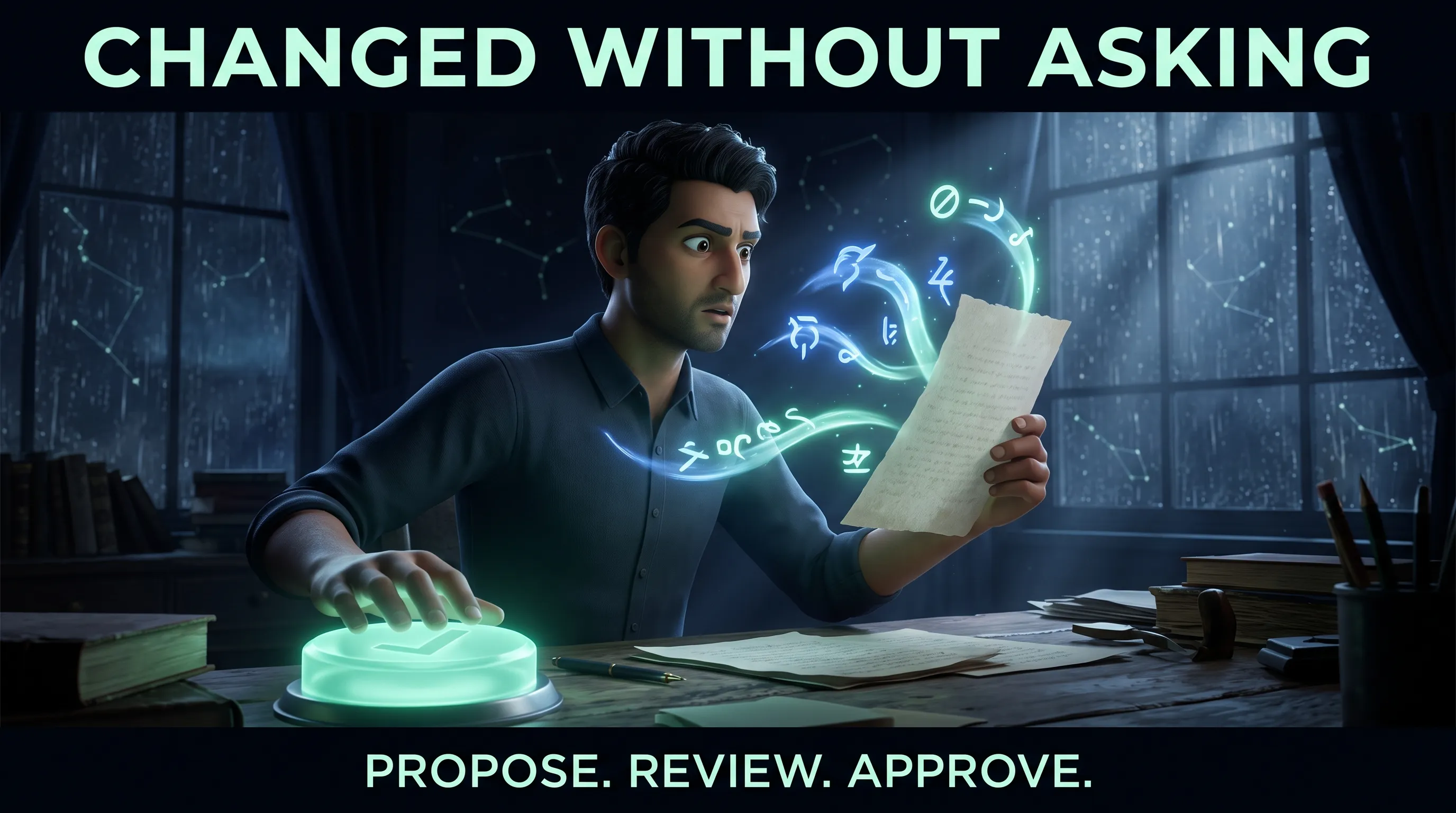
The Edit I Never Approved
A proofreader quietly changed code inside my note. That silent edit became Flow's first rule: AI may propose a change, but only you can save it.

Limitless, Without the Pill
Going AI-native has felt like the closest real-world version of that fantasy... without the pill, the blackouts, or the Russian loan sharks.
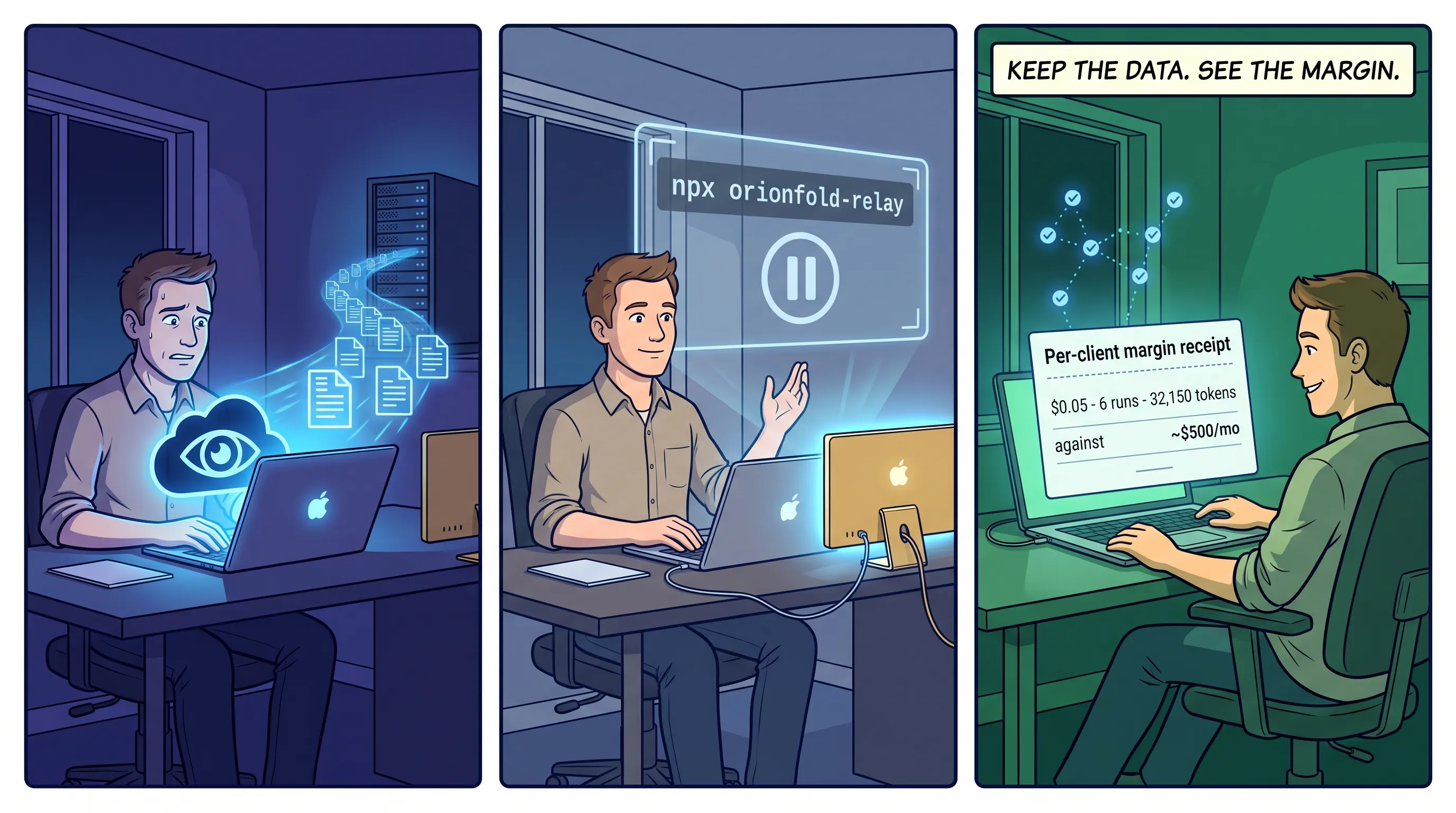
Keep the data. See the margin.
The AI you rent to run your client work can see your client work. So I built the opposite. Orionfold Relay is a free engine you run yourself, every result waits for your approval, and it shows you the real margin on each client. It launches on Product Hunt today.
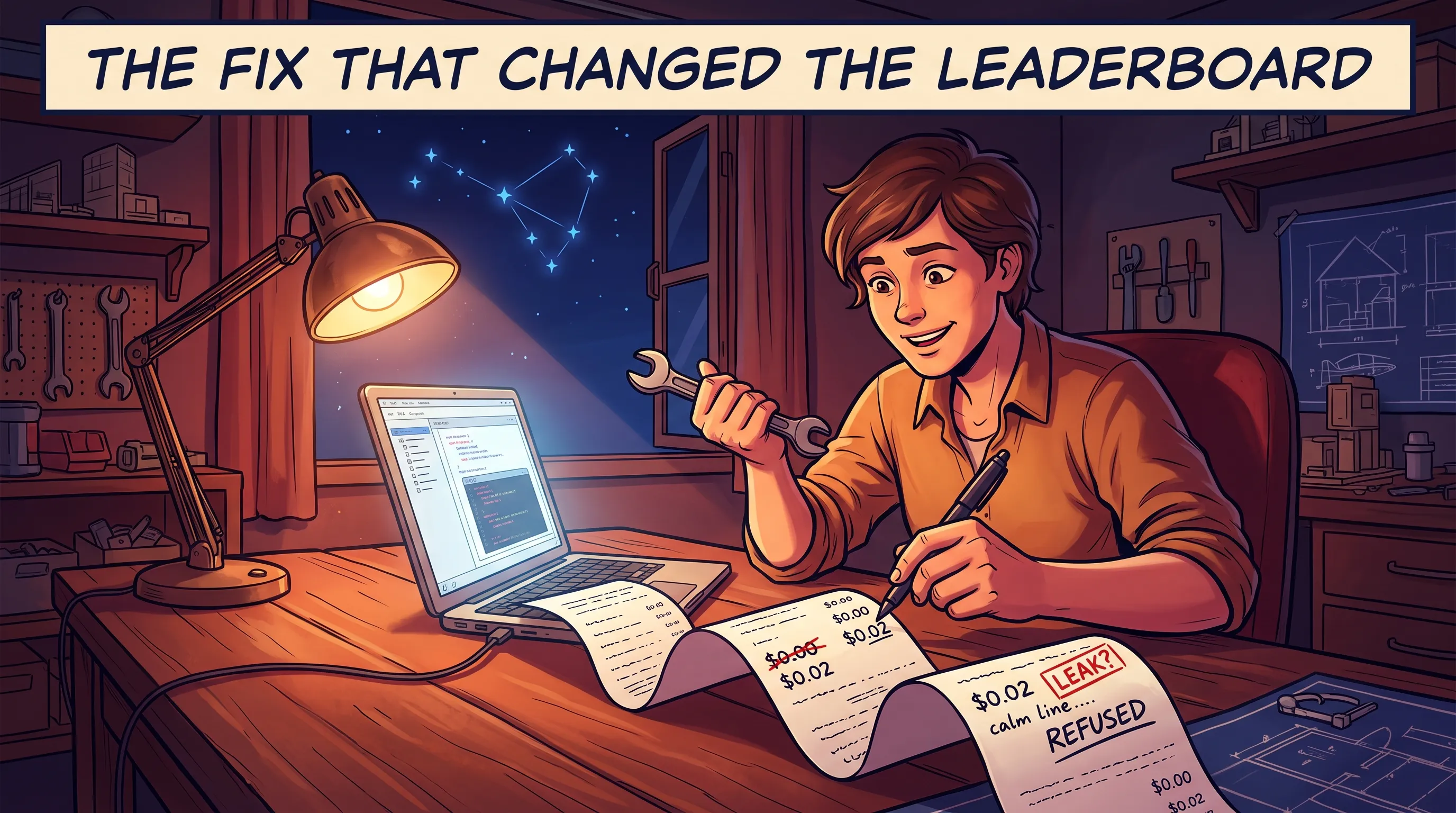
The fix that changed the leaderboard
I found two honesty bugs in my own product and fixed both the same day. Then I reran the three-way governance bench on the fixed code. A four-billion-parameter model on my laptop scored highest, the famous frontier model came last, and the cost column finally told the truth. Here is the whole receipt, bugs and all.
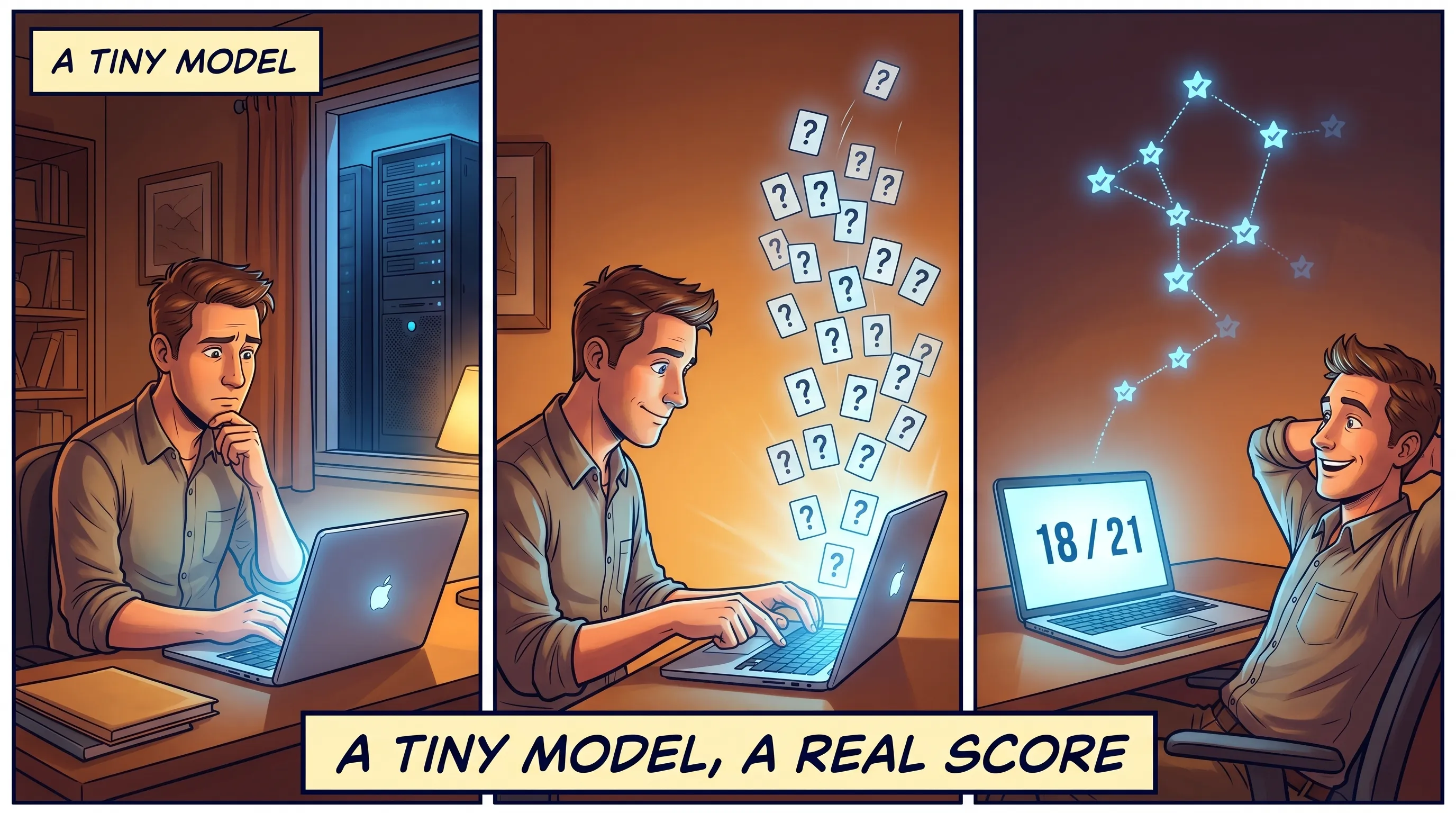
A 4B model scored 18 out of 21 on my laptop
A published governance benchmark, run on a four-billion-parameter model, on an Apple laptop, for nothing. It refused all nine trick questions, matched the big-iron baseline answer for answer, and missed the same three. Here is the whole receipt.
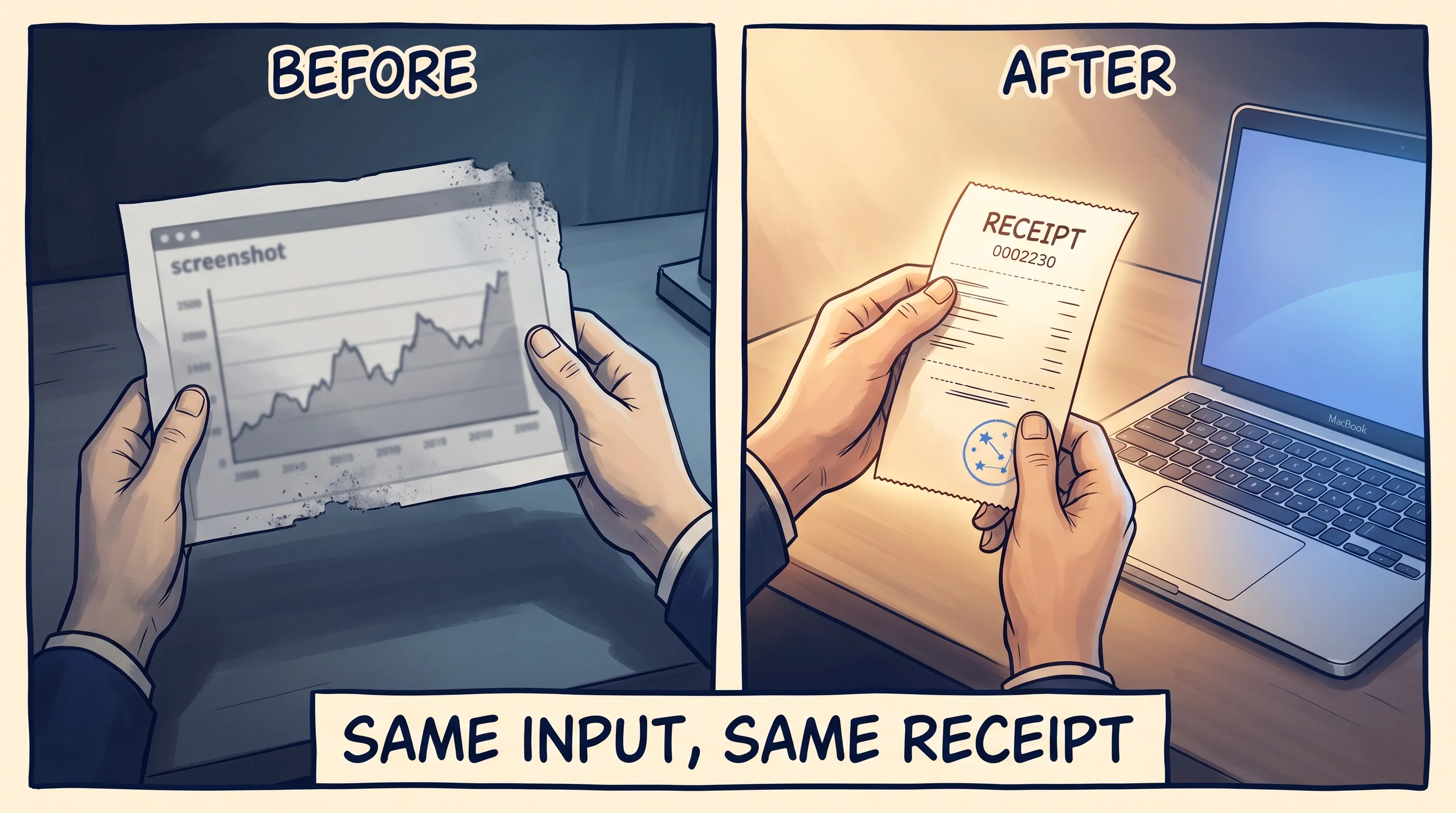
Same input, same receipt
A benchmark you cannot rerun is a rumor. Every Proof Receipt carries a config hash, twelve characters that reproduce the whole run to the byte. Here is what that small string actually buys you, and why I built the product around it.
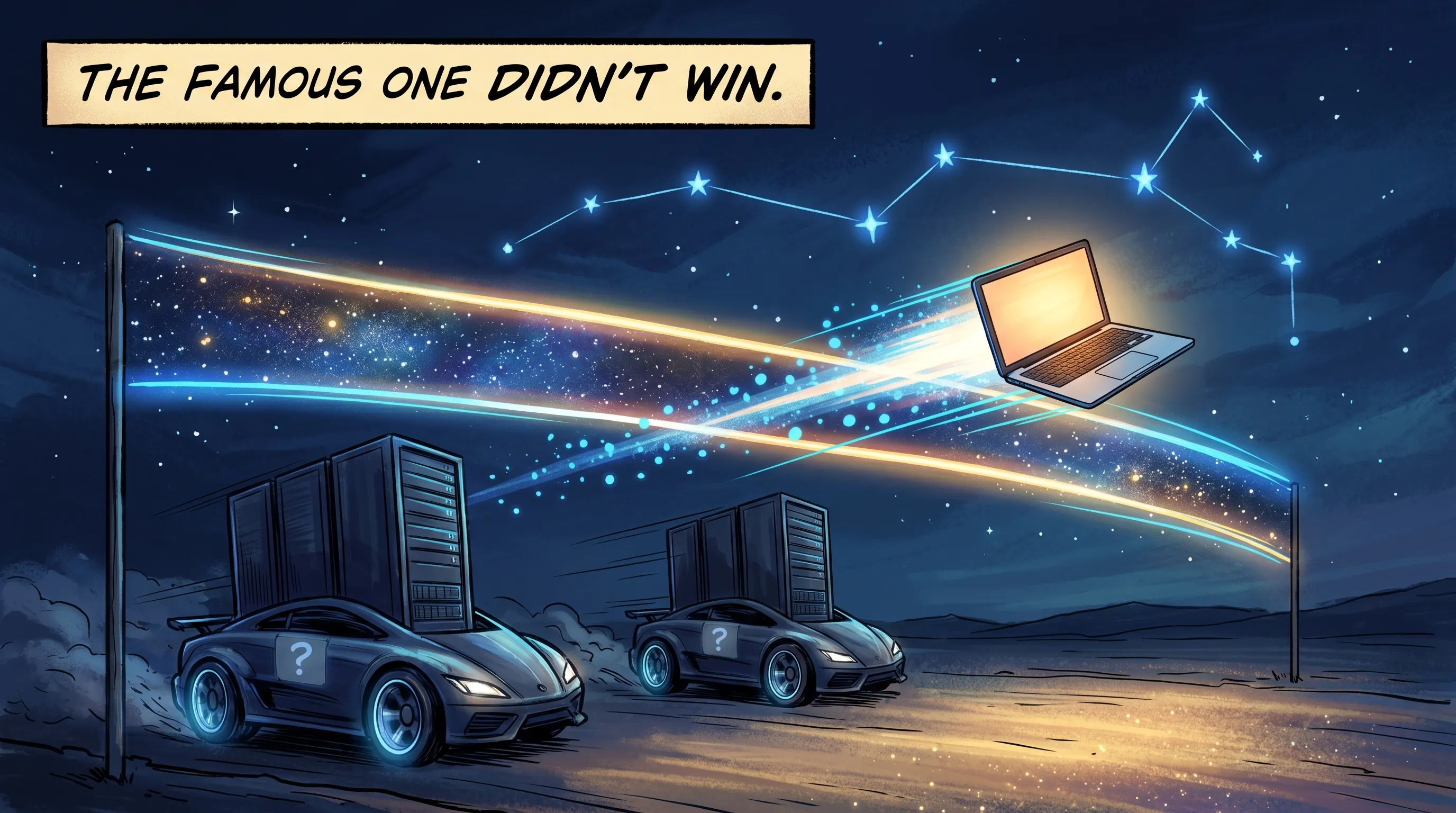
The famous model didn't win
I put a four-billion-parameter model that runs on my laptop in a head-to-head with Claude Opus and a frontier GLM, on a governance task, scored by a machine. The small local one won, for nothing, and faster. Here is the whole receipt, including the part where the scorer was too harsh.
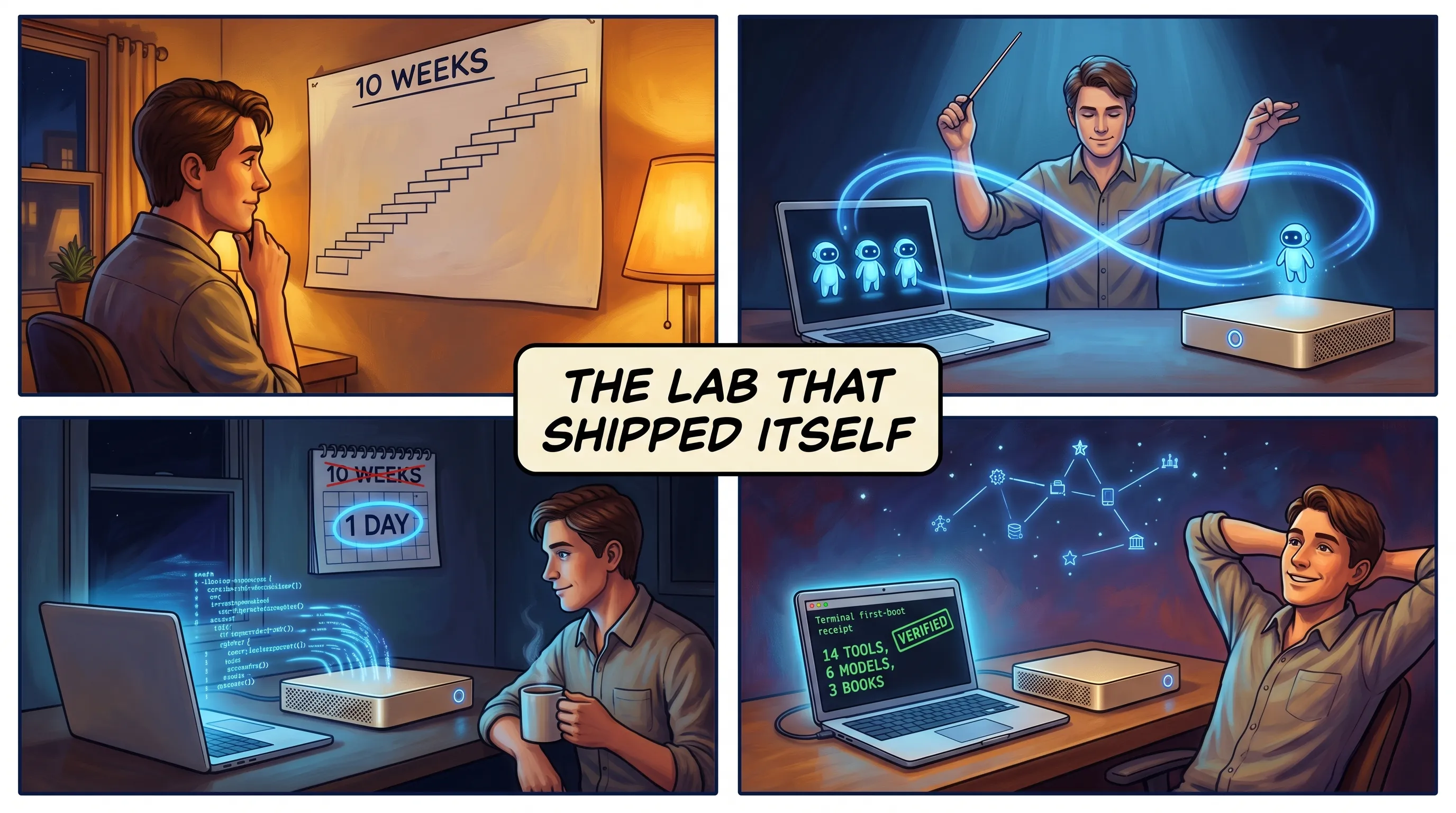
The lab that shipped itself
The paid edition of my AI lab launched this weekend, and the lab shipped itself. My plan said ten weeks. A team of AI agents I conduct did it in a day. Here is how, and what you get.
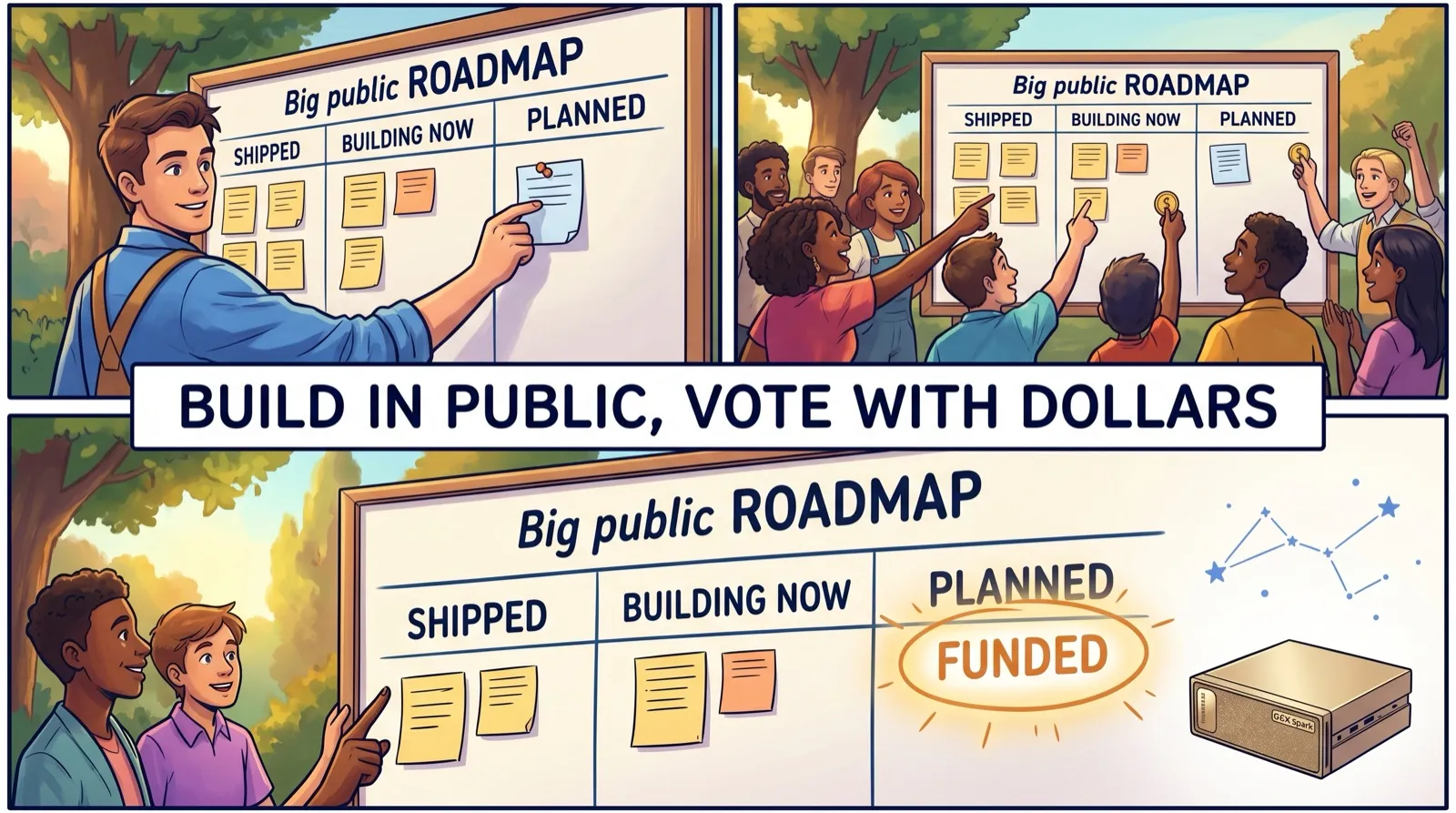
Building in public
Every story here, every number and honest miss, I put out in public on purpose. This is why I build in the open, and how you can help shape what comes next.
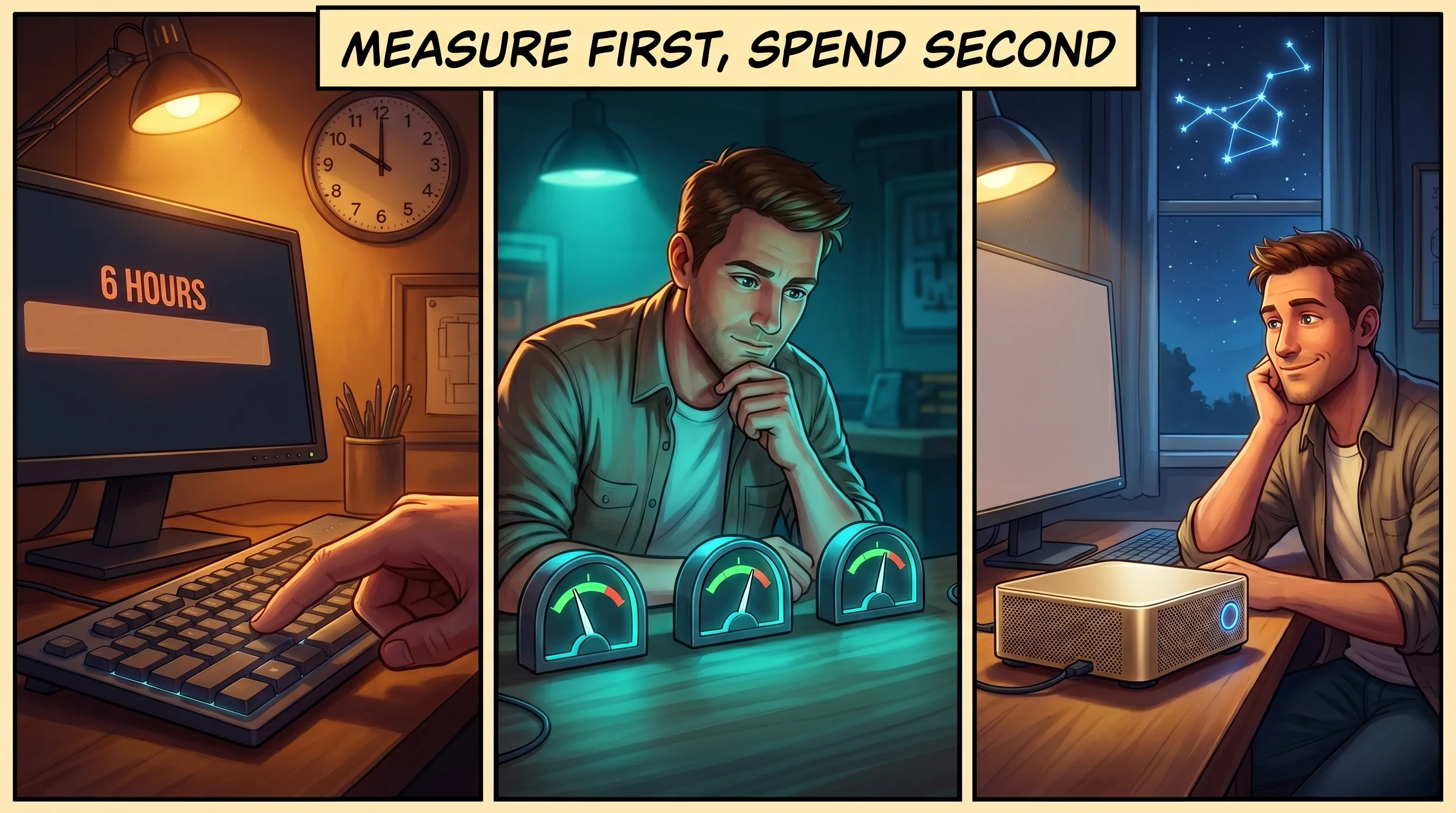
The run I almost wasted
I built Kepler, a space-math model, on one desktop. Three cheap checks told me the big training run would change nothing. I ran it anyway, and proving them right was the win.

A book you can read and run
I write books you can run, not just read. The code works and every page is online. Here is why open, reproducible books beat theory behind a paywall.
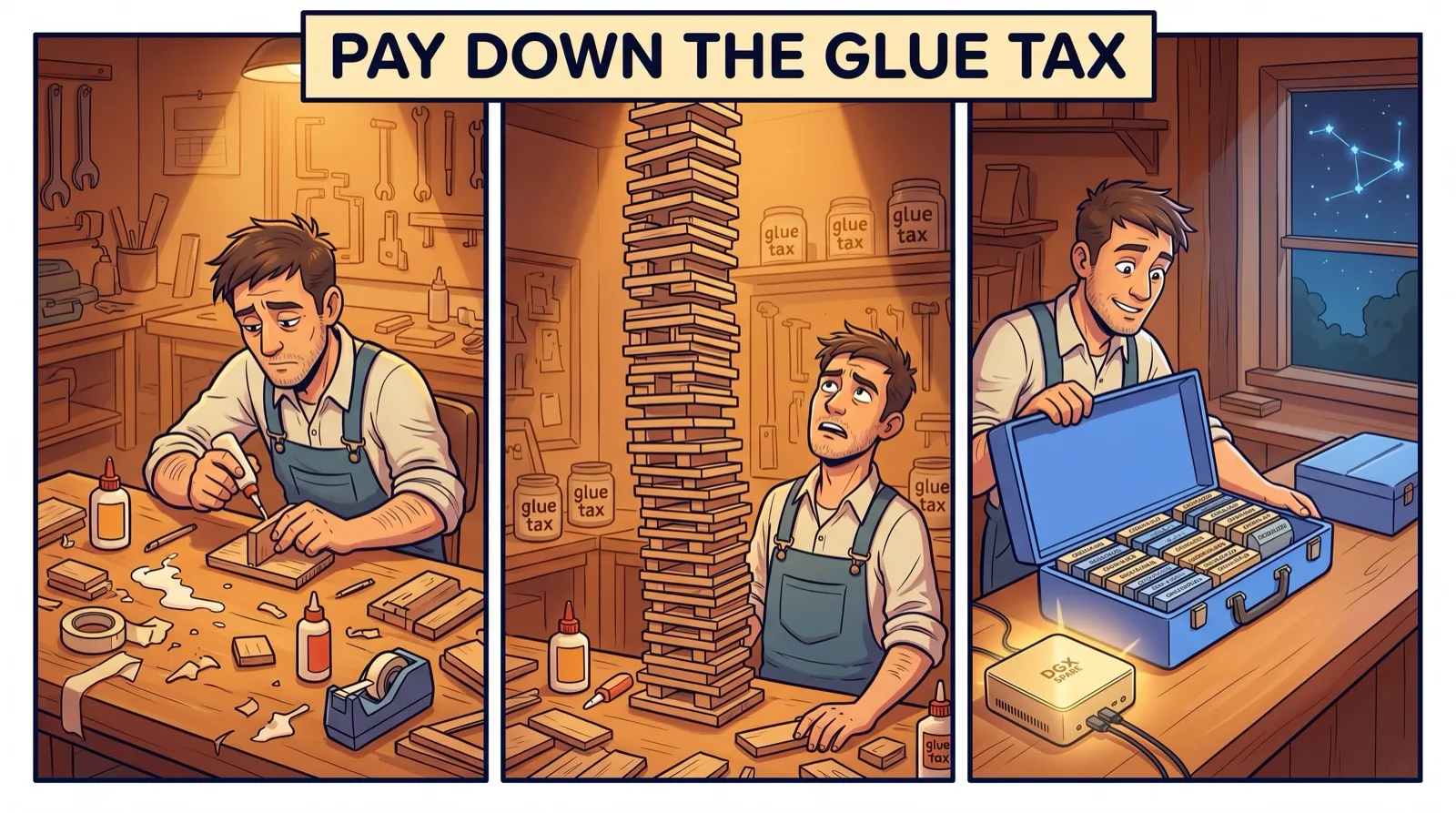
The glue tax, and the kit that pays it
Every AI project, I kept rewriting the same boring plumbing. I named it the glue tax. So I built fieldkit, an open kit of 12 tested parts, to stop paying it.
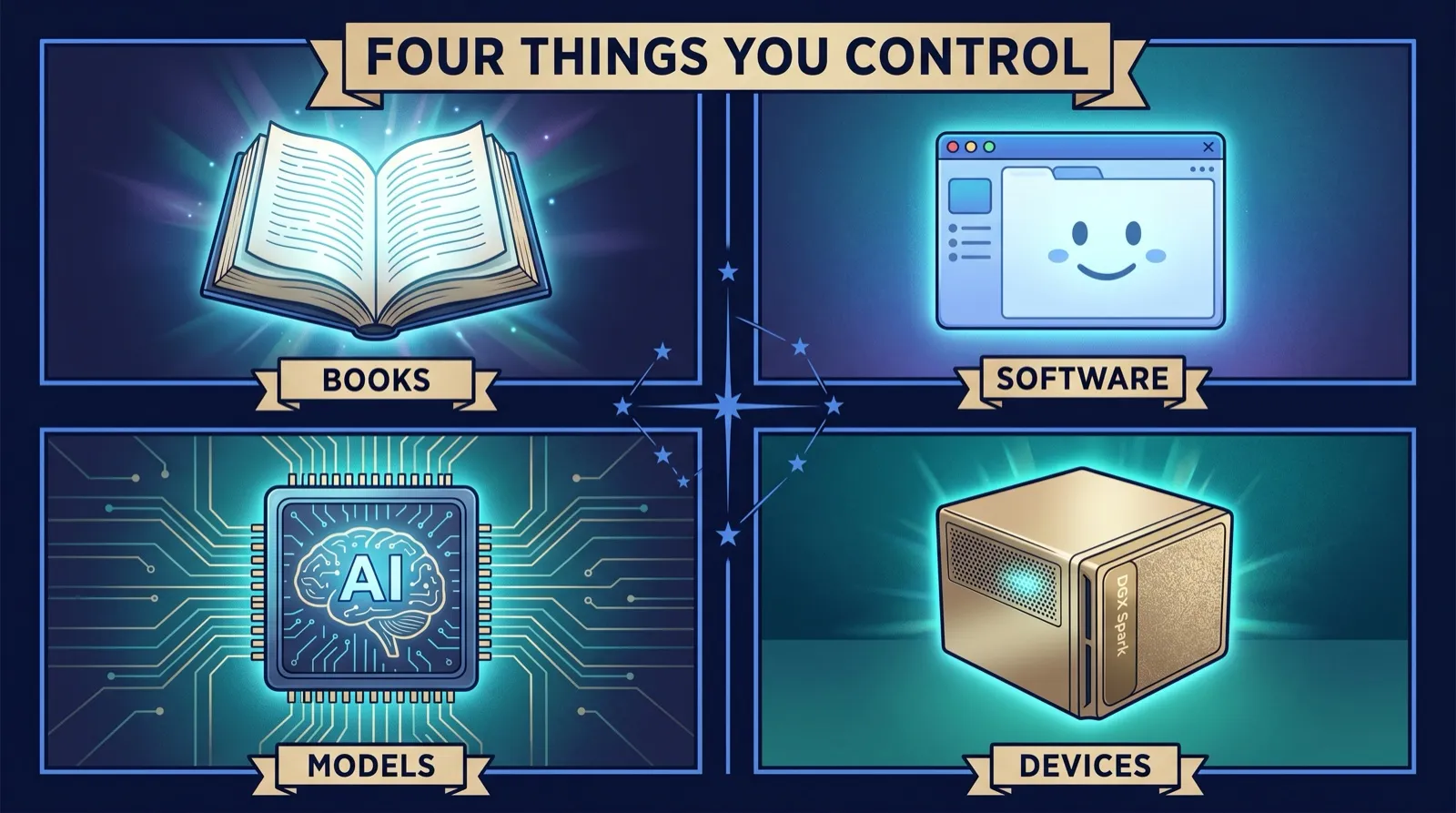
Four things you actually control
The AI divide feels out of your hands. It is not. There are four things you can own instead of rent. Playbooks, software, models, and a device of your own.
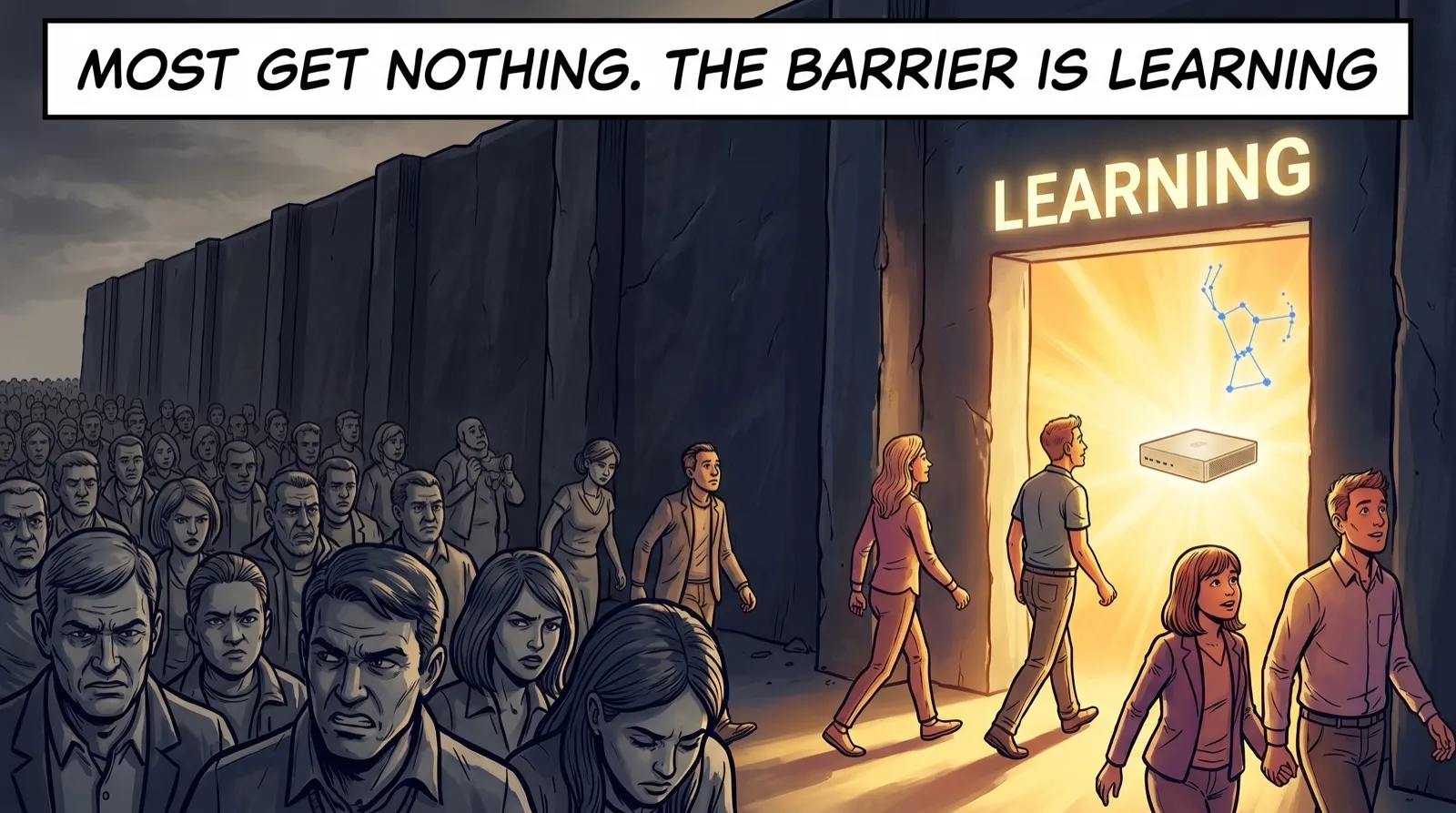
Why most teams get nothing from AI
Companies poured 30 to 40 billion dollars into AI and 95% got nothing back. The reason is not cost or tech. It is learning. That gap is why Orionfold exists.
Why I folded Orionfold
After nearly nine years at Amazon, I left to build Orionfold solo. The twenty-five-year story behind that choice, and what the name means. By Manav Sehgal.
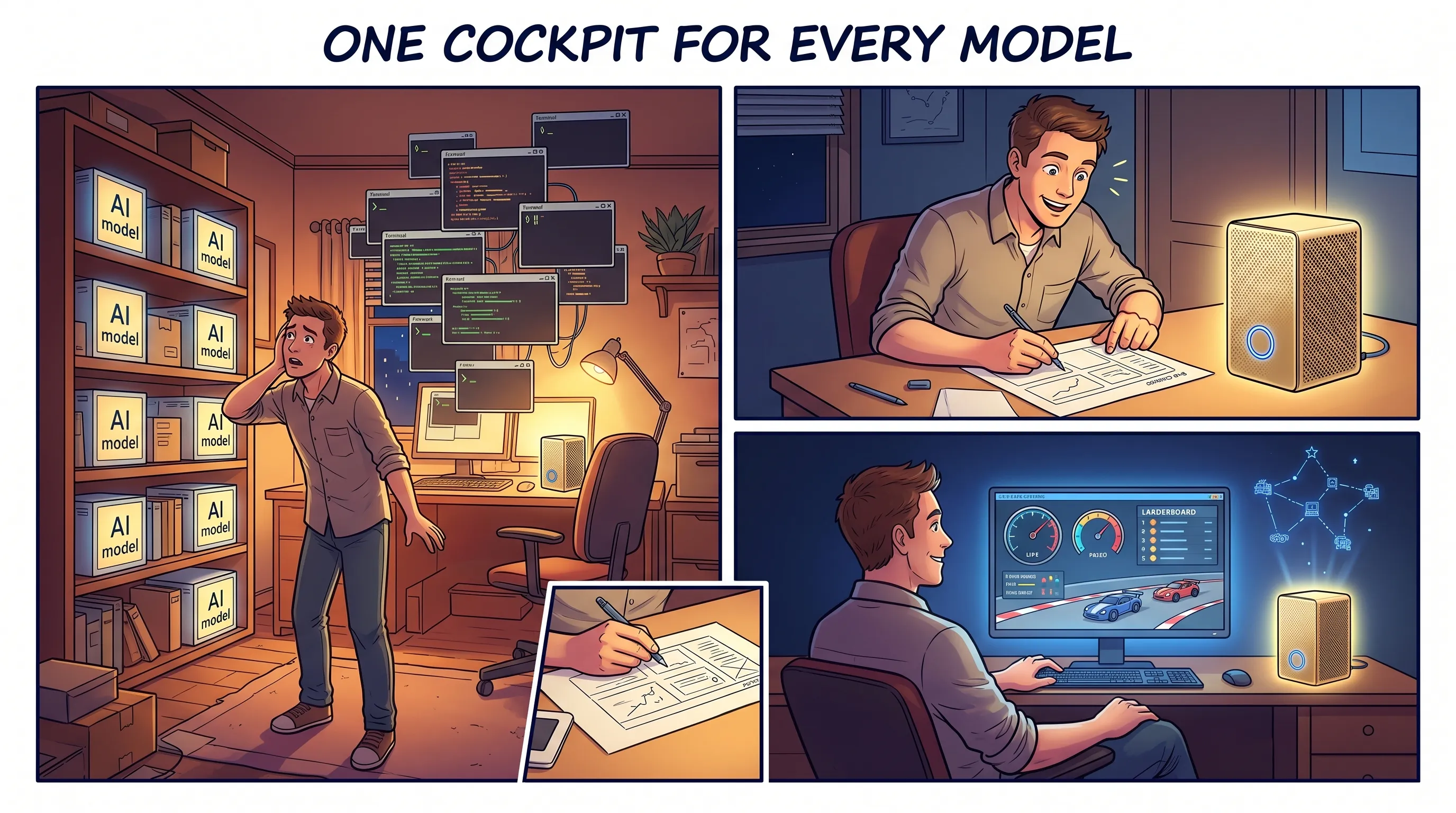
The cockpit for my models
I had a shelf of models on one desktop and no way to drive them. In fifteen hours I built a cockpit to run, compare, and score them, all on that desk.
Teaching a small model my field
I taught a 3B model my own field with 231 question-answer pairs. It stopped refusing and started answering, in my voice. Small and tuned beat big and general.
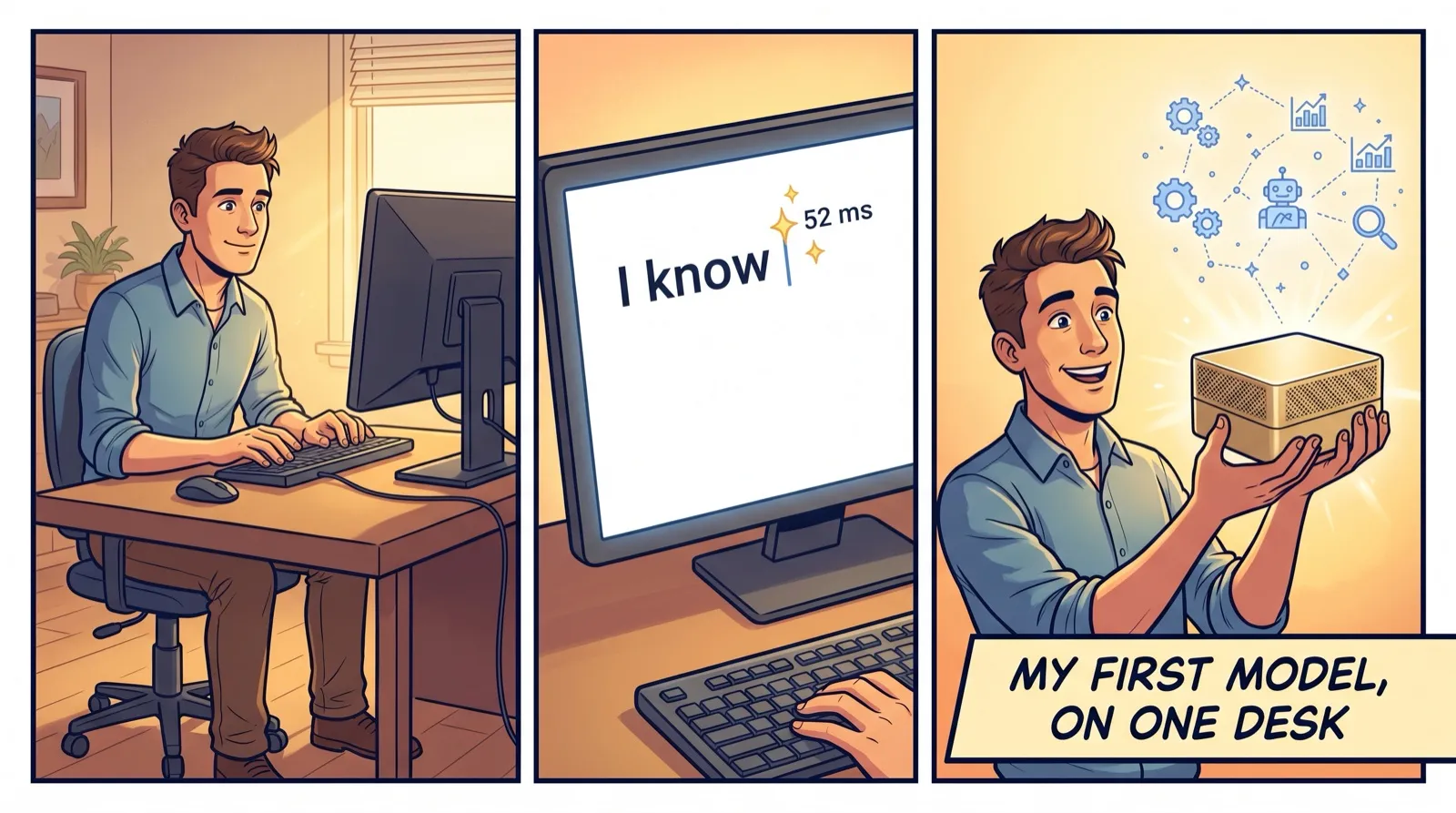
My first model on a desktop
I ran my first model on a small computer on my desk. 52 milliseconds to the first word, no cloud, no per-use bill. It felt like a local function, not a service.
Access first, models second
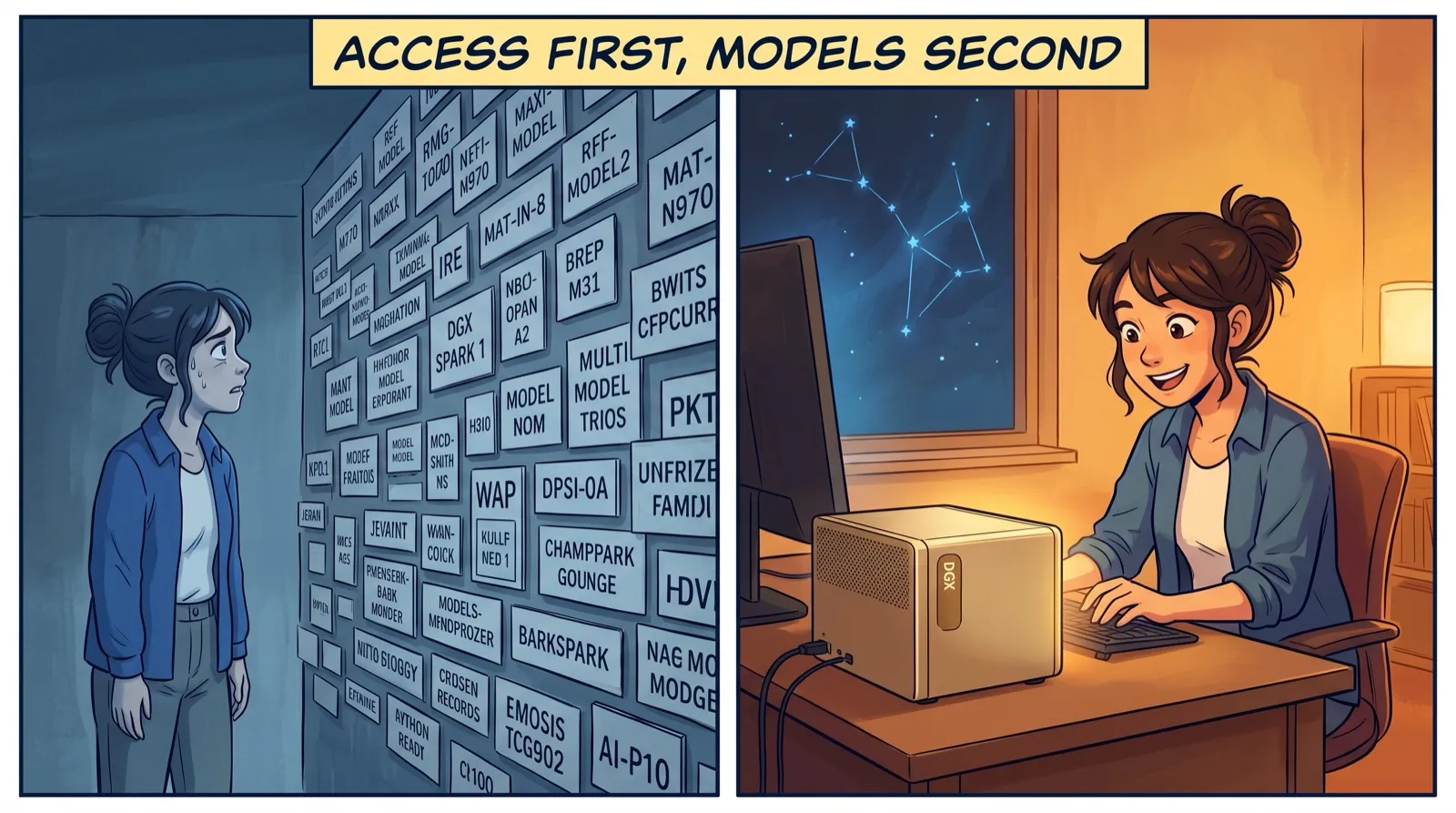
On day one with my desktop AI machine I did not pick a model. I set up how I reach it. Models change every six months. Good access lasts for years.
A spec at breakfast, an app by lunch
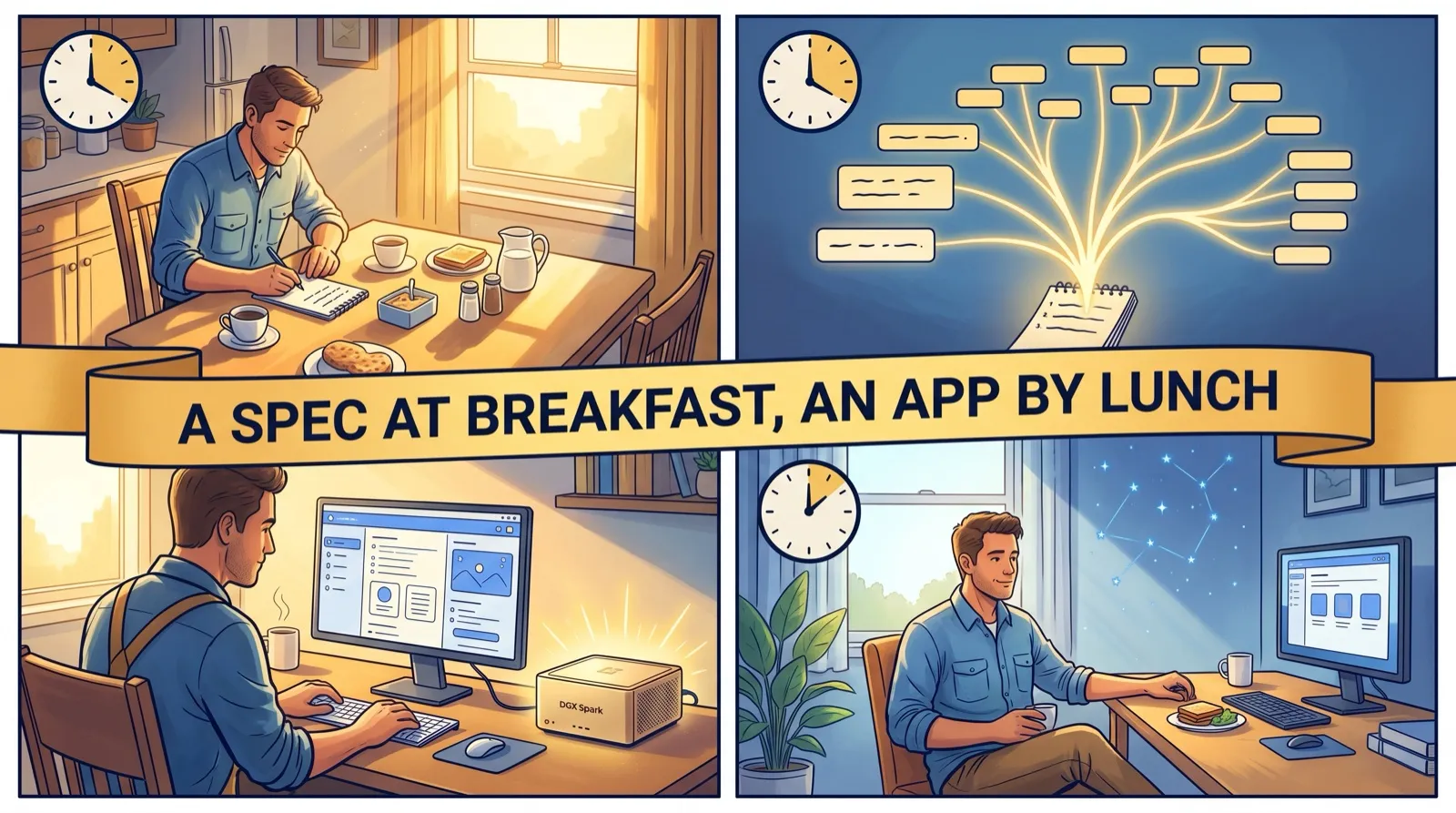
With Kiro I turned three sentences into a 24,000-line app, about four hours of my time. The spec did the heavy lifting, and speed became a skill.
One agent, three faces
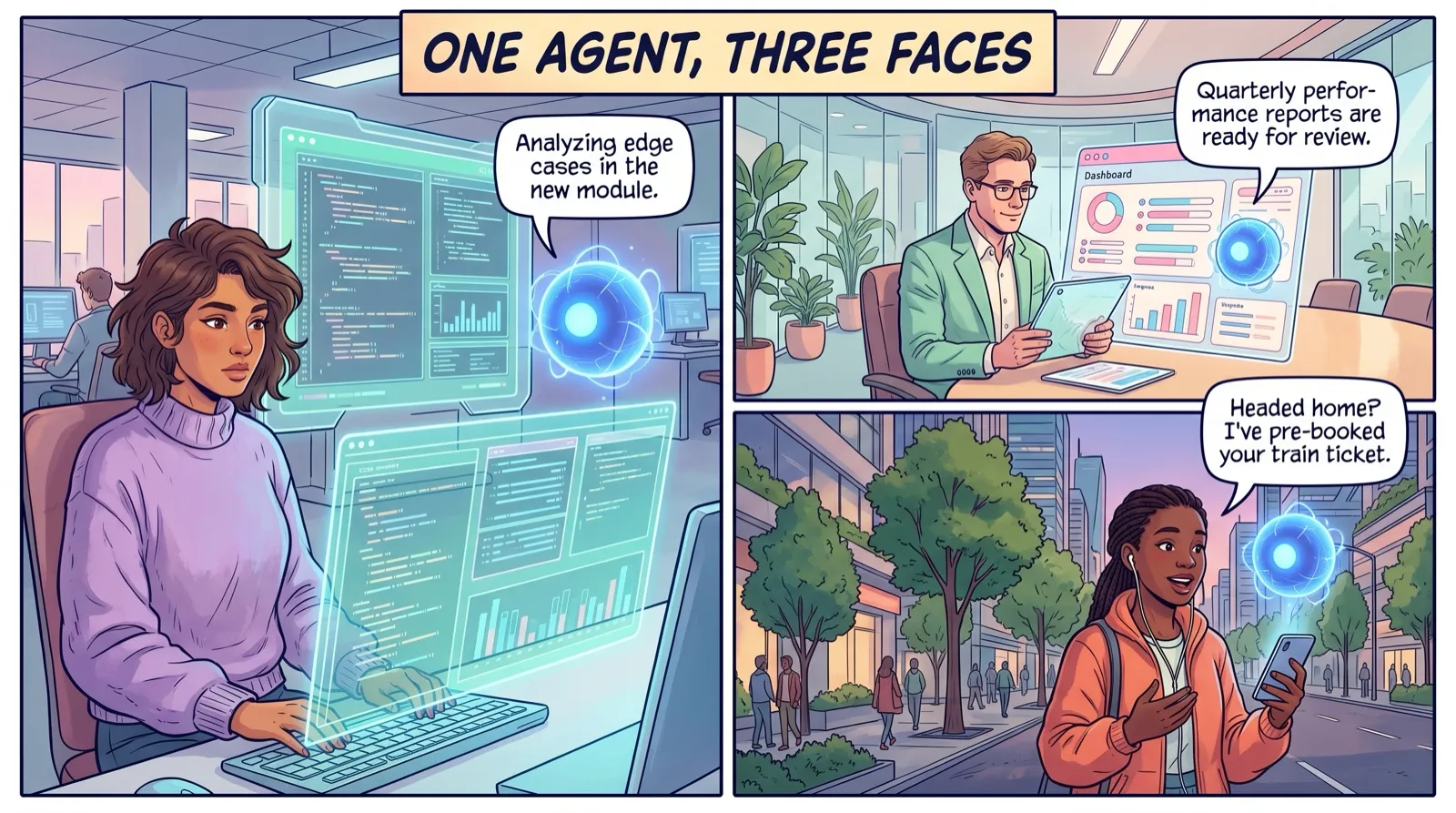
The same AI agent should meet a developer in the terminal, a manager in a dashboard, and a phone user by voice. One brain, many doors.
Keeping my data in the room
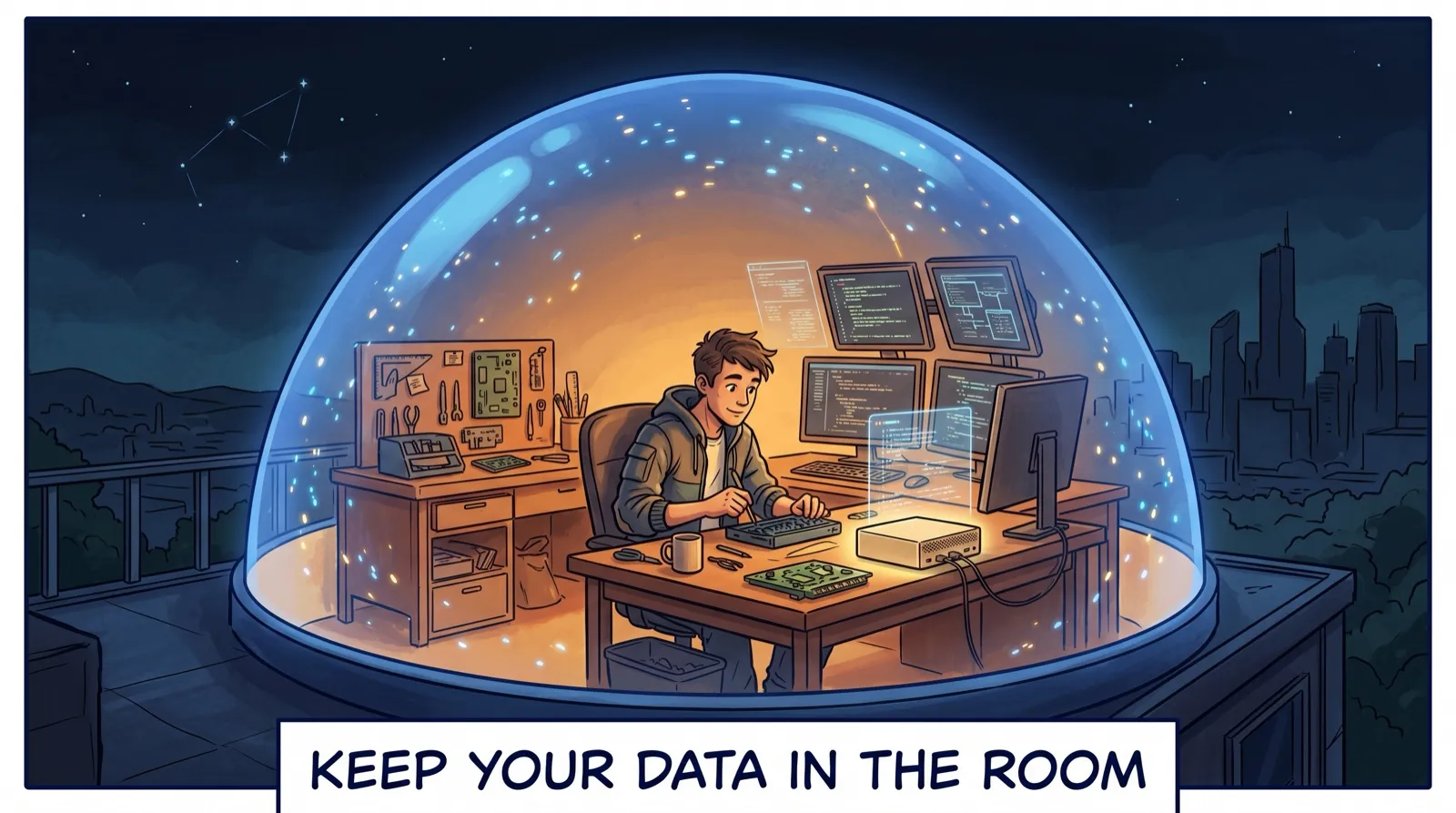
I built an analyst AI that never sends my work to the cloud. Privacy is not a setting you flip at the end. It is a choice you make in the design.
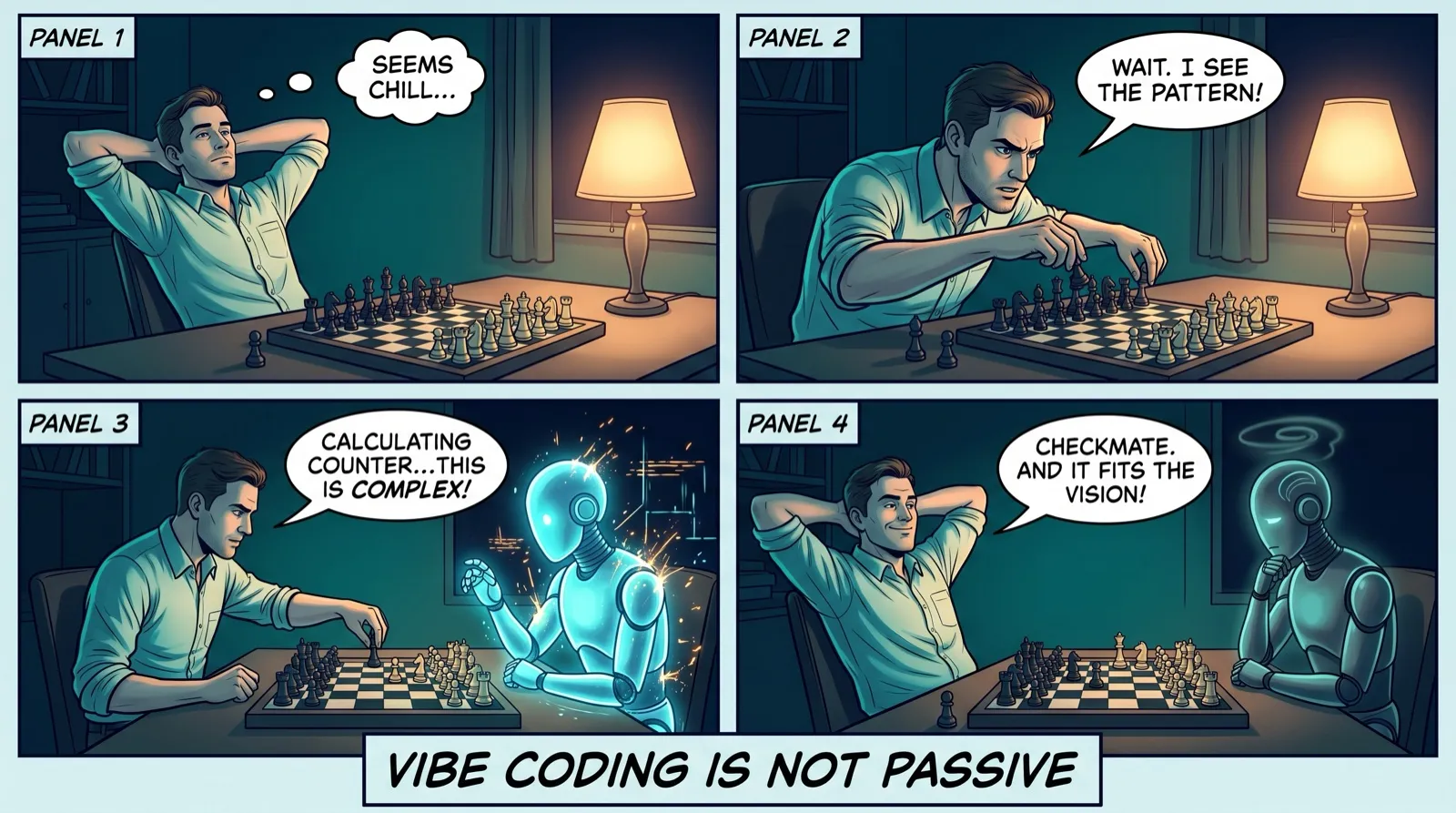
Vibe coding is not passive
After my AI-built weekend I thought coding got easy. Andrew Ng named what I felt. Vibe coding is not passive, it is engineering done fast.
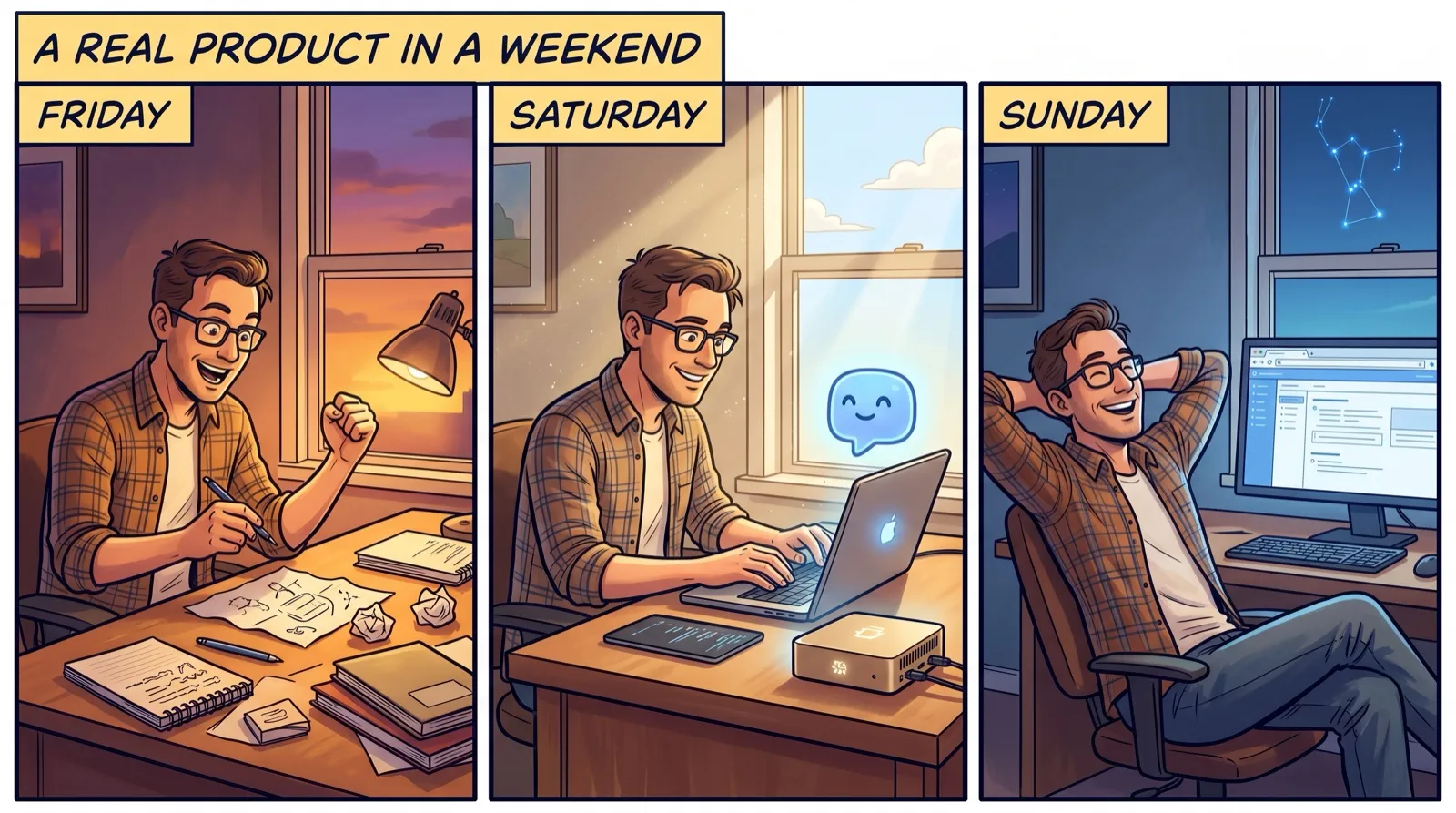
I built a real product in a weekend
Over one holiday weekend I built Web Memo, a working browser tool, about 2,400 lines of code. AI wrote most of it. My sense of my own ceiling moved.
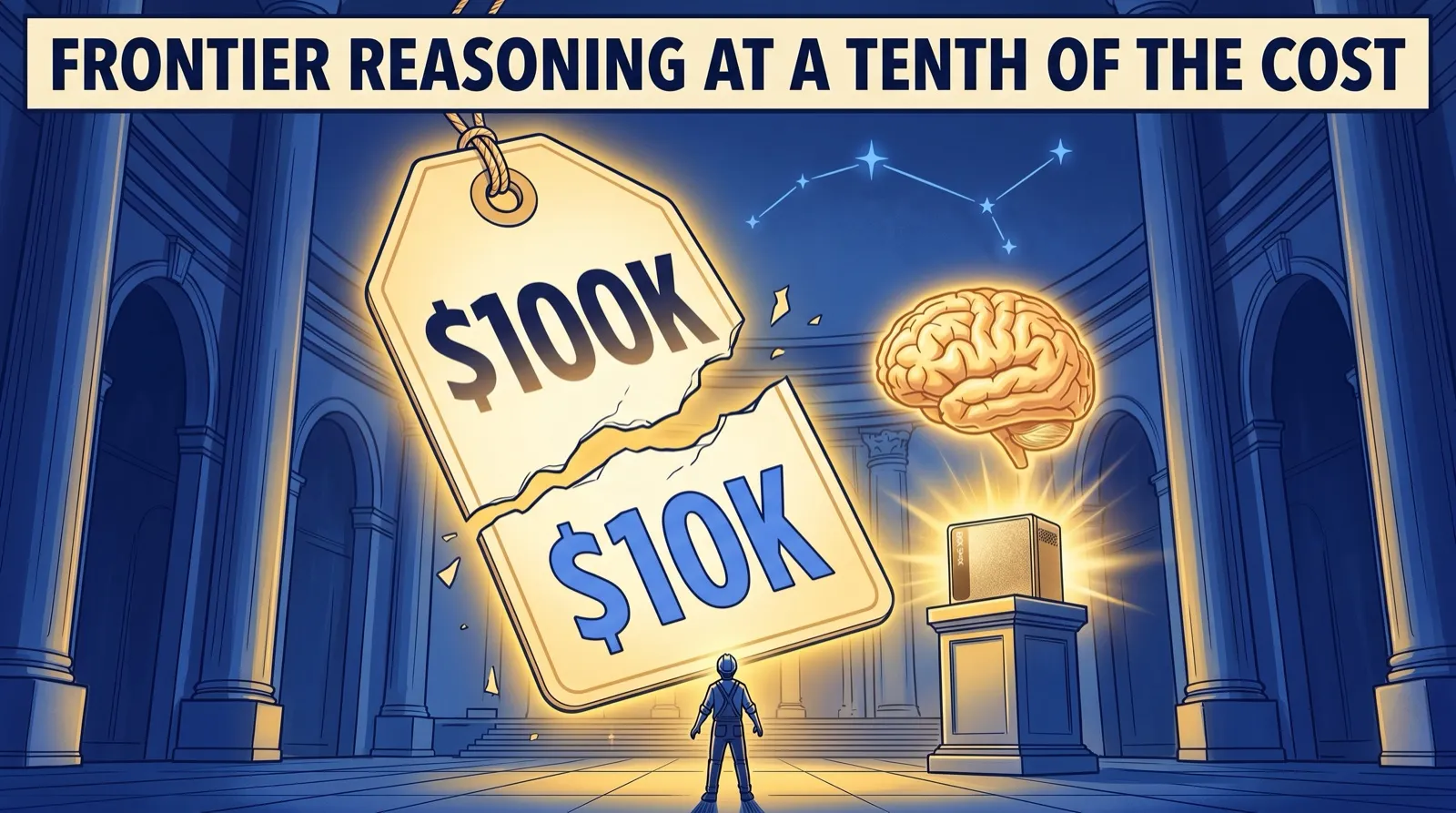
Frontier reasoning at a tenth of the cost
In early 2025 a model called DeepSeek did frontier-level reasoning for about 95% less. And it was small enough to run on my own machine.

The year the gap closed
In late 2024 I watched the AI tool stack collapse into the model itself. The first sign that one person could build what used to take a team.
Get each new story in your inbox.
Formerly AI For Everyone. Short, honest notes from building Orionfold in public. What we shipped, what broke, and what we learned. One email a week, no more.